


A Guide to Different Types of Play for Parents
Play is more than just a fun part of childhood, it's essential for children's physical, cognitive, and emotional development. Children don’t need to be taught to play, they do it naturally as a way to explore the world, experiment with
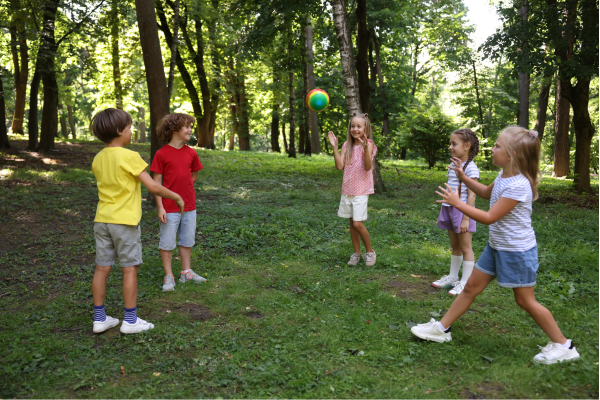
Learning to Play Together: How Play Builds Social Skills and Friendships
As the summer holidays begin, many children spend more time with siblings, friends and extended family. For parents, this often brings a familiar mix of hope and concern: Will they get along? Will they share? Will they make friends? We all

Why Children Need Outdoor Play More Than Ever and How to Make It Happen
As the days get longer and the weather improves, many families feel a familiar pressure to “get children outside more”. We’re often told that outdoor play is important, but it’s not always clear why it matters so much, or how

Calm TV Programmes for Little Ones
Do you find that many TV programmes can leave your child overstimulated? Children’s television works best when it feels calm, predictable and emotionally supportive, rather than fast-paced or overstimulating. This is especially important for preschool children, who are still developing

How Imagination Builds Reading Comprehension
When children understand a story deeply, they are doing far more than reading words on a page. They are noticing clues, predicting what might happen next, working out how characters feel and filling in information that isn’t directly stated. This is

Inclusive Play: What It Really Looks Like and Why It Matters for Every Child
April is Autism Awareness Month. But increasingly families and professionals are asking for something more meaningful than awareness: acceptance - ensuring that children of all abilities feel welcomed, understood and supported in everyday life. This sense of belonging should extend

Children and AI: What Parents Need to Know
What is AI and how are children using it? AI is rapidly becoming a part of children’s daily lives, and they may come across it in many different ways, including: Homework and research tools Voice assistants and smart speakers Games with interactive or responsive

Before Children Read Words, They Read Meaning
When we think about children learning to read, it’s easy to focus on letters, sounds and decoding. Phonics, print and books all matter, but true reading comprehension begins earlier, with understanding meaning. Before children can read words, they are already

Talking to Your Child about our Difficult World
In today’s intricate and often distressing world, parents and caregivers are tasked with the significant challenge of discussing global issues with children. Our very own, Dr. Amanda Gummer recently presented a webinar (embedded below) which provides invaluable advice on how
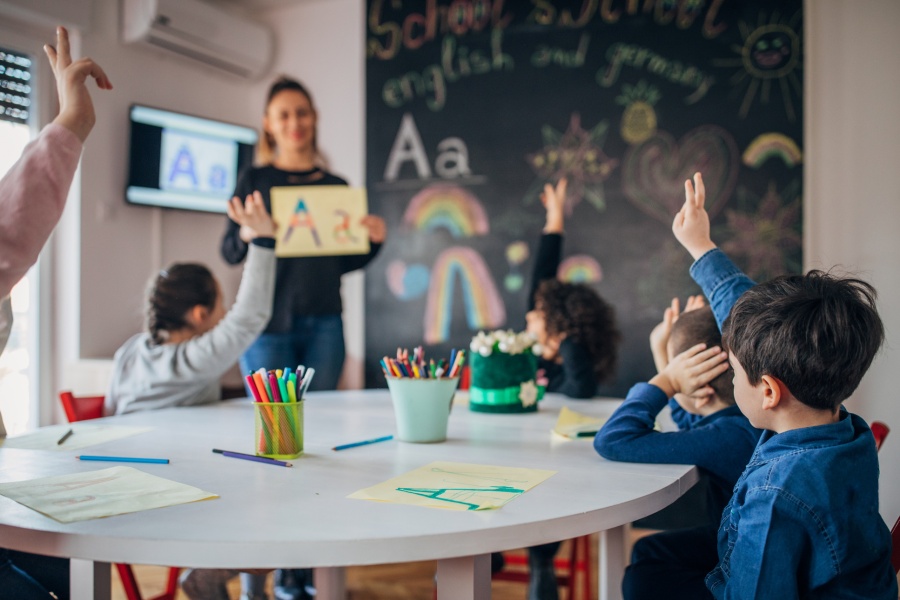
How to Set Learning Goals for Children for the Year Ahead
At the start of a new year, we might be setting ourselves resolutions about fitness or wellbeing, but it’s also a great time to support children in setting their own learning goals. This doesn’t mean adding pressure or creating strict