


A Guide to Different Types of Play for Parents
Play is more than just a fun part of childhood, it's essential for children's physical, cognitive, and emotional development. Children don’t need to be taught to play, they do it naturally as a way to explore the world, experiment with
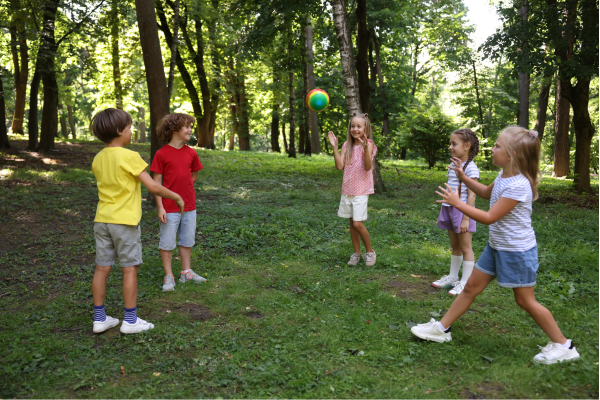
Learning to Play Together: How Play Builds Social Skills and Friendships
As the summer holidays begin, many children spend more time with siblings, friends and extended family. For parents, this often brings a familiar mix of hope and concern: Will they get along? Will they share? Will they make friends? We all

Top Summer Picks for Children Aged 10+
The summer holidays give older children and pre-teens the chance to step away from school routines and spend time exploring their own interests. At this age, children often enjoy play that involves solving challenges, spending time with friends or discovering

Top Summer Picks for Children Aged 6–9 Years
The summer is a great time for children of this age to explore more independent, creative and active forms of play. At this stage, children are building confidence in their abilities and often enjoy games and activities that challenge them.

Playful Ways to Keep Your Child Learning Through the Summer Holidays
The long summer holidays offer children a welcome break from the structure of school, giving them time to relax, recharge and enjoy being children. However, it’s worth being aware of the “summer slide”, the gradual loss of some of the

Travelling with Children Doesn’t Have to Be Stressful
Family holidays should be a source of enjoyment and relaxation, a way to make memories and spend some quality time together as a family, and with the right preparation and mindset, travelling with children can be a stress-free and memorable

Top Summer Picks for Children Aged 3–5 Years
The summer is a great opportunity for children to explore, imagine and play in more open-ended ways. With fewer structured routines, children of this age can spend more time building, role playing, moving and creating their own stories through play.

Why Children Need to Play Outdoors
Now the days are long and the weather is warmer, many families feel a familiar pressure to “get children outside more”. We’re often told that outdoor play is important, but it’s not always clear why it matters so much, or

A Summer of Exploration for Children
Summer is the perfect time to encourage children to look more closely at the world around them. With fewer routines and more freedom, children naturally become more curious, asking questions, noticing details and wanting to explore. Exploration doesn’t need to mean

Why Talking About Books Matters as Much as Reading Them
When we think about children reading, we often picture them listening quietly to a story or sounding out words. But some of the most valuable learning happens in the conversations that follow. Talking about books helps children process ideas, explore