


Supporting Children with SEND in Preparing for School
Starting school is a big step for any child, but if your child has Special Educational Needs or Disabilities (SEND), you may feel unsure about how best to prepare them. While every child is different, some extra planning and support can make the transition into school life smoother and more positive for everyone involved.
Let’s take a look at some practical ways to help your child feel more confident and ready for the classroom, at their own pace and in ways that work for them.
1. Start Early, Take It Slow
Give your child plenty of time to get used to the idea of school. Use simple language to talk about what school will be like, who they might meet and what they’ll do. If possible, visit the school ahead of time – multiple short visits are often more effective than one longer one. Many parents find social stories useful because they present relatable situations that help children understand new experiences and ease transitions.
2. Practise the Routine & Build Independence
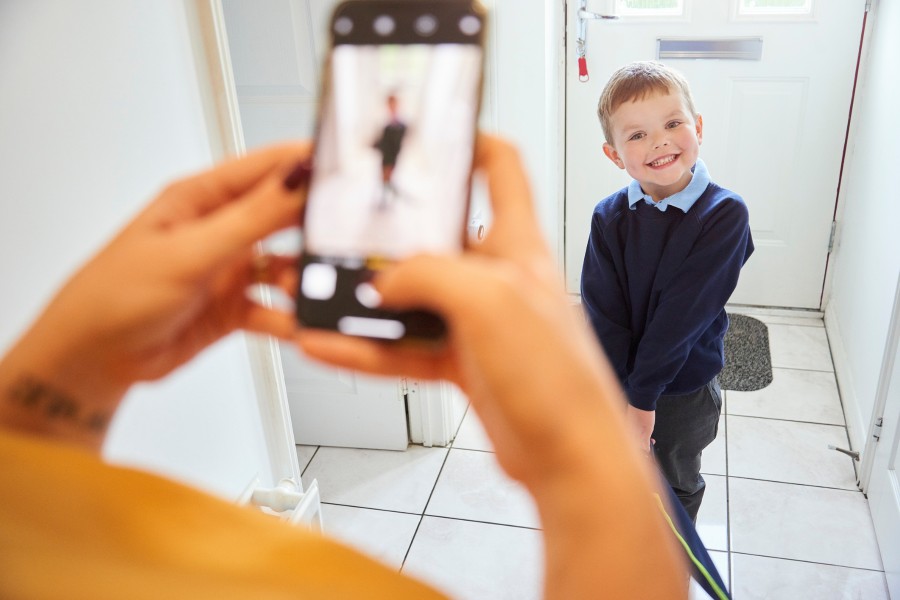
Practise the morning routine; waking up at a certain time, getting dressed, having breakfast and heading out the door. Walking or driving to the school gates can make it feel more familiar. Visual timetables or checklists help children who like structure know what to expect. Also build everyday independence by practising simple tasks like putting on coats, carrying bags and asking for help. Keep it fun, break things into steps and praise their efforts.
3. Consider a Phased Start
If the school agrees, a phased start can really help some children settle in. This might mean starting with shorter sessions, fewer days per week, or coming in at a quieter time of day. A gradual introduction can ease the overwhelm of a busy classroom and help your child build confidence slowly.

4. Sensory Prep
If your child has sensory needs, gently introduce elements of the school environment they may encounter like uniforms, the sound of many voices, or eating in a busy space. This gradual exposure can reduce the chance of overwhelm on the first day.
Ear defenders, fidget tools, or a familiar comfort item in their school bag can help them self-regulate when needed.
Toy Tip: Sensory toys like chew necklaces, textured fidget toys or toys designed to bring calm like Calm Down Bottle or Bloomie, My Moody Monster, will help to provide comfort and grounding throughout the day.
5. Create a Personalised School Book
Make a simple ‘My School Book’ with photos of your child, their teacher, the school building and daily routines like hanging up a coat or sitting at story time. You could use this alongside a social story or as a way to talk through different parts of the day. Look at it regularly together to build comfort and familiarity.
6. Support Communication
If your child uses alternative communication methods like Sign Language, Makaton, PECS (Picture Exchange Communication System) or a communication board, help familiar adults at school learn how to support them. Practise common phrases or symbols at home to support basic needs such as “help,” “toilet,” or “finished”.
7. Work with the School
A strong relationship with the school can make a huge difference. Share existing support plans (such as an EHCP or SEN support plan) and discuss what strategies work best for your child. You might also create a short “About Me” sheet for your child’s new teacher. Include things like likes and dislikes, triggers to avoid and calming strategies that work at home.

Final Thoughts for Parents
Getting ready for school with a SEND child isn’t about pushing them to be like everyone else, it’s about helping them feel calm, confident and safe in a new environment.
By using tools like social stories, phased starts and supportive routines, you can ease the transition in a way that works for your child. Your involvement, understanding and encouragement are the most valuable resources of all.
Let the journey begin, one step at a time.
