


Playgrounds and School Readiness: More Than Just Fun and Games
When we think of playgrounds, we often picture children climbing, sliding, swinging and shouting with joy. But beyond the fun, playgrounds are also powerful learning environments that can play a big role in helping children get ready to start school.
Whether it’s building confidence, making new friends, or simply developing the physical stamina to manage a full school day, outdoor play can offer the kinds of experiences that build school-ready skills in a natural and fun way.
Building Confidence Through Play
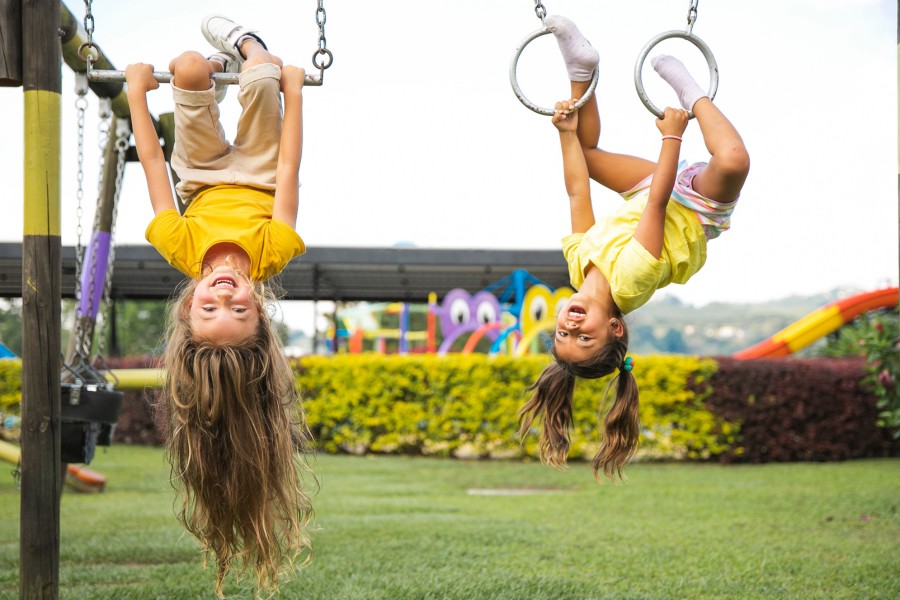
Starting school is a big transition, and confidence is key. Playgrounds offer a space where children can take small, manageable risks – climbing a little higher, jumping a little further, or trying a new piece of equipment. These moments of challenge and achievement help build resilience and a sense of pride, which can carry over into the classroom.
When children manage to cross a wobbly bridge or balance along a beam, they’re not just having fun – they’re learning that they can do difficult things. That “I did it!” moment is incredibly empowering and helps children feel more confident approaching unfamiliar situations, like meeting a new teacher or trying a new activity at school.
Learning to Get Along
Social skills are a big part of school life, and the playground is the perfect place to practise them. Unlike structured settings like lessons or clubs, playgrounds are mostly unstructured – children are free to make up games, join in with others, negotiate rules and sometimes navigate disagreements.
This gives children a chance to:
- Take turns
- Solve problems with others
- Build friendships
- Learn how to share space and equipment
Parents and carers can gently support these moments by staying nearby and offering encouragement, but letting children figure things out with peers is often the best way to build social confidence. Even small interactions – like asking “Can I have a go?” or offering to push someone on the swing – help build the communication and relationship skills needed for school.
Building Physical Confidence for the School Day
Starting school often means longer periods of sitting, moving between classrooms and joining in with new physical activities like PE or lunchtime play. For many children, this can be a big shift from the freedom of home or nursery environments.
Time spent at the playground helps build:
- Core strength and coordination – making it easier to sit upright at a desk or carry a backpack.
- Balance and agility – useful for navigating stairs, moving around crowded spaces, or playing in the playground.
- Stamina and endurance – helping children stay alert and active throughout a full school day.
- Physical confidence – which supports participation in games, sports and other group activities.
Children who feel strong and capable in their bodies are often more willing to join in, take turns and try new things – all important parts of settling in and thriving at school.
Developing Focus and Attention
You might not think of the playground as a place for improving concentration, but it can be. When children invent a game, wait for a turn, or repeat a physical challenge to “get it right”, they are practising focus and persistence – skills that are vital for learning.
Even just waiting for their turn on a swing or queuing for the slide helps develop patience and the ability to follow simple social rules. These may seem small, but they’re important steps towards being able to take part in group activities and follow classroom routines.
Try This: Playground Playdates
Arrange meetups at your local playground with one or two other families who have children starting the same school. This can help your child:
- Get used to interacting with other children in a relaxed setting
- Practise sharing and playing cooperatively
- Build early friendships that make the first days of school feel less daunting
Toy Tip: Playgrounds at Home
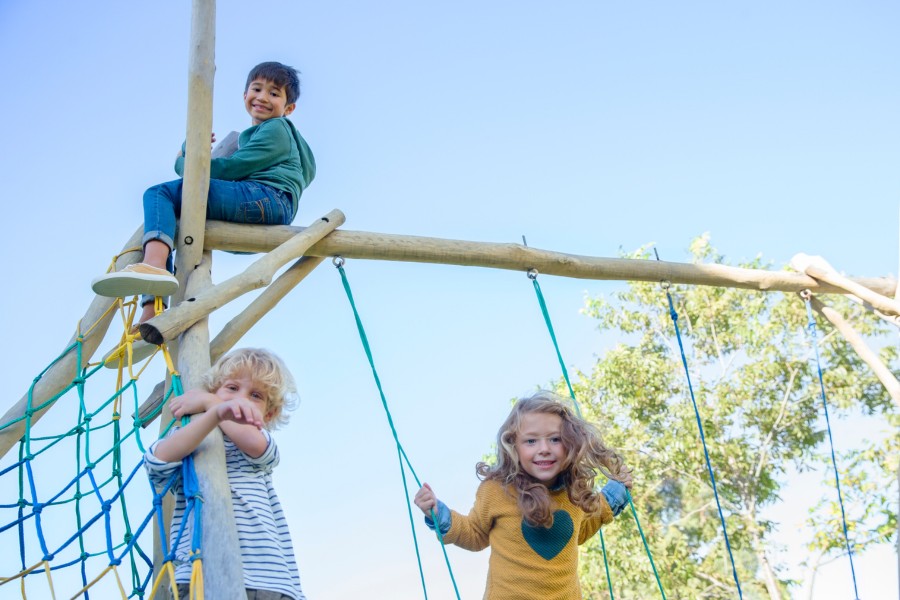
If a visit to the park isn’t always possible, try bringing some of the benefits home. Toys like balance bikes, climbing frames, or even chalk for hopscotch and obstacle courses in the garden can offer many of the same physical and social benefits.
Talk About It
Use your child’s time at the playground to build their emotional awareness and communication. For example:
- “How did it feel when you reached the top of the climbing frame?”
- “I saw you helped that little one on the steps – that was kind of you.”
- “I noticed you waited really patiently for your turn!”
These moments help children understand and talk about their feelings – a great foundation for the social side of school life and emotional wellbeing.
Final Thoughts for Parents
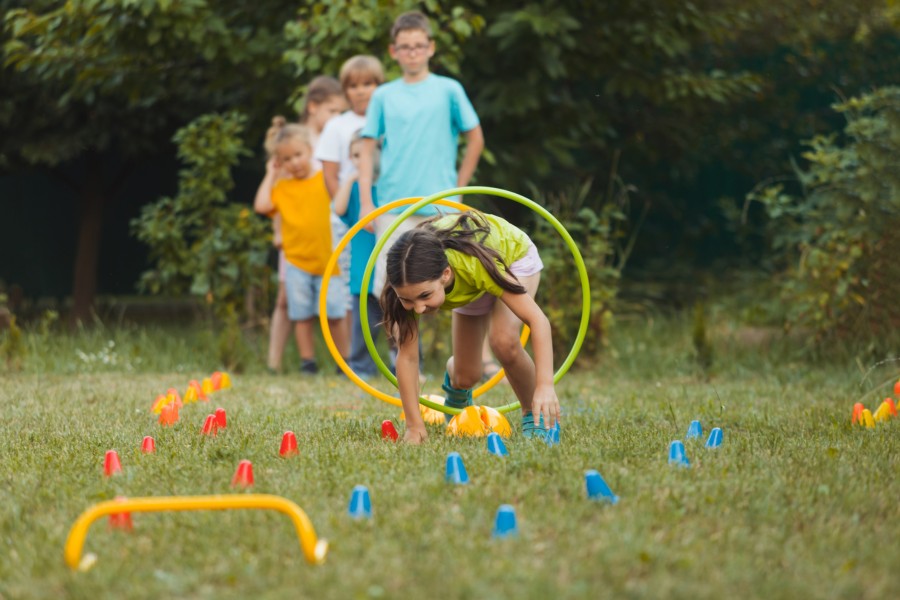
Playgrounds are so much more than just places to blow off steam. They’re mini learning zones where children practise independence, build strength, test social skills and develop the emotional confidence they need to thrive at school.
So next time you head to the park, know that you’re not just giving your child a fun break – you’re helping them grow in ways that will make their school journey smoother, happier and more successful.
