



Winning Over Picky Eaters: A Parent’s Guide to Healthy Eating Habits
While children need to eat well, getting them to have a balanced diet can sometimes feel like an uphill struggle. Many go through phases of picky eating, rejecting foods they once loved, clinging to favourites, or refusing certain textures and colours. While this behaviour is common, it can leave parents feeling frustrated and worried about whether their child is getting the nutrients they need.
The good news is that with patience, creativity and consistency, children can learn to expand their palates and develop healthy eating habits that last a lifetime. Here are some practical ways to make new foods fun, ease mealtime battles and set a positive example at the table.
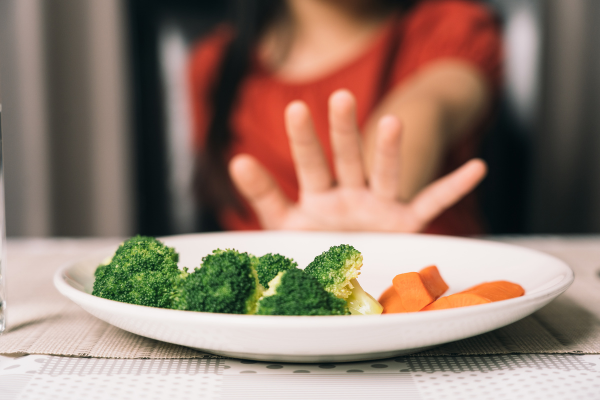
Make New Foods Fun
One of the easiest ways to win over picky eaters is to make food appealing and low pressure. If trying something new feels like a chore, children are likely to resist. But when food looks fun or feels like part of play, they’re much more willing to give it a go.
- Make it colourful: Children eat with their eyes first. Use cookie cutters to create fun shapes, or arrange meals in rainbow patterns. Even a simple fruit face on a plate can spark curiosity and make food feel less intimidating.
- Get them cooking: Children are proud to eat what they’ve helped prepare. Let them wash vegetables, stir ingredients or add toppings. Cooking together also builds life skills and turns mealtimes into bonding time.
- Pair new with familiar: Mix small amounts of new foods with ones your child already enjoys. Vegetables stirred into pasta or fruit slices served with their favourite yogurt can make the new flavour less daunting.
- Add dips and sauces: Sometimes texture is the barrier, not taste. Pairing veggies with hummus, a yogurt-based dip or even peanut butter can make them more appealing.

Strategies for Picky Eaters
- Offer choice without pressure: Keep presenting different foods, but don’t force or bargain. Children may need to see or taste a food ten times or more before warming up to it. Try serving new foods in small portions alongside trusted favourites.
- Stick to a routine: Regular meal and snack times help children arrive at the table hungry, which increases willingness to try something new. Grazing too close to meals can reduce appetites.
- Stay patient: Food preferences shift with time. A disliked vegetable today might become a favourite in a few months. Gentle persistence pays off more than battles or bribes.
- Skip bribes: Promising dessert for finishing vegetables teaches that some foods are ‘chores’ and others are ‘rewards’. Instead, praise curiosity and effort, even a single bite counts as progress.
It’s also helpful to remember that small wins add up. If your child suddenly accepts carrots after months of refusal, celebrate that step rather than worrying about the broccoli they still won’t touch.

Model Healthy Eating
Children notice everything, especially what their parents do. One of the most powerful tools for encouraging healthy eating is modelling it yourself.
- Be the example: Show enthusiasm for fruits, vegetables and whole grains in your own meals. Kids are more likely to copy what you genuinely enjoy.
- Eat together: Family meals make healthy eating the norm. Sitting down together encourages conversation, reduces stress and gives children positive associations with food. Even a quick breakfast together can make a difference.
- Show openness: Try new foods yourself and talk about the flavours you enjoy. When children see curiosity and enjoyment rather than hesitation, they’ll feel safer experimenting too.

Keep the Bigger Picture in Mind
Helping picky eaters doesn’t mean forcing them to clear their plates. Instead, focus on creating enjoyable mealtimes, offering a variety of options and showing enthusiasm for healthy food yourself. By combining patience with playfulness, you’ll encourage your child to explore new flavours at their own pace.
The goal isn’t perfection, it’s progress. Just keep a relaxed approach and guide your child toward a positive relationship with food that supports their health and happiness for years to come. And if you ever feel particularly worried, a chat with your GP or health visitor can provide reassurance and personalised advice.