


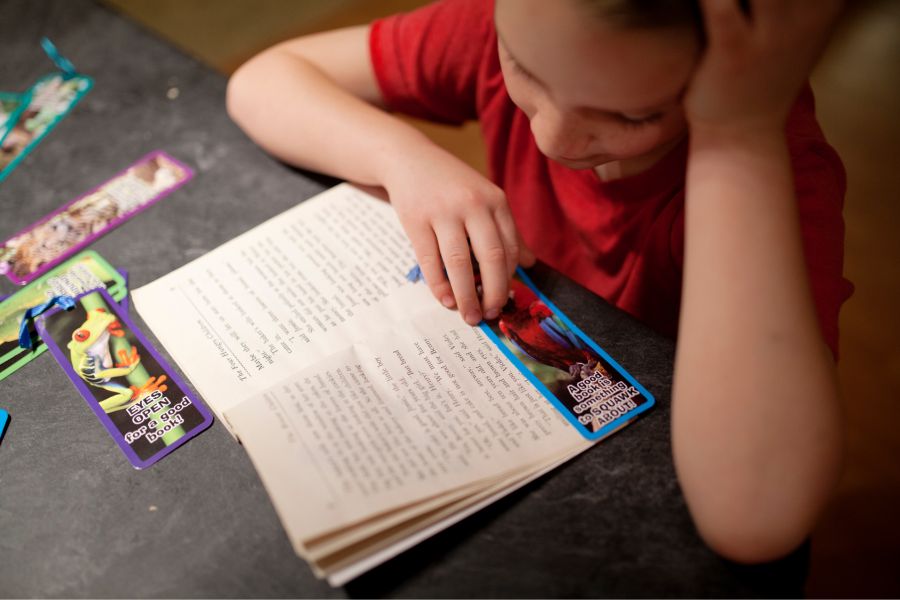
How a Love of Reading Begins (and How It’s Easily Lost)
Some children seem naturally drawn to books, others avoid them whenever they can, so it’s easy to assume this is about personality – a child who “loves reading” or a child who doesn’t. But that isn’t how reading really works. A love of reading isn’t something children are born with, it’s a relationship, built over time through positive experiences, choice and meaning.
What the evidence tells us
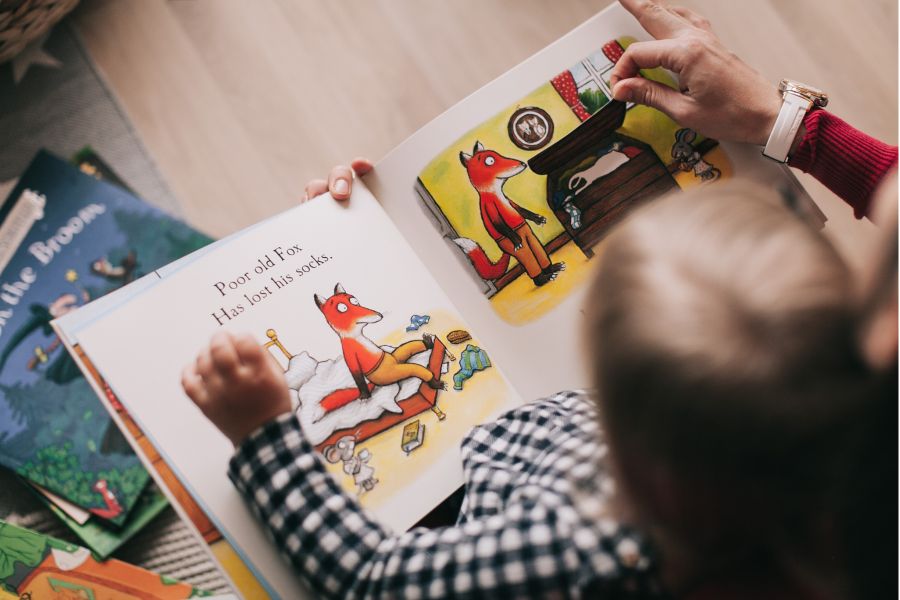
Children’s long term engagement with reading is shaped far more by how reading feels than by how quickly skills are acquired.
Research consistently shows that:
- Motivation is a strong predictor of later reading engagement and attainment
- Children who associate reading with pressure, comparison or fear of getting it wrong are more likely to disengage
- Enjoyment and comprehension are closely linked; children understand more when they want to read
In other words, reading works best when it is experienced as something safe, enjoyable and self directed, rather than something to be performed or assessed.
What “loving reading” actually looks like
A child who loves reading doesn’t always look like the stereotype of someone quietly working through chapter books.
Loving reading can look like:
- Choosing books independently (even when adults wouldn’t have picked them)
- Re-reading the same favourites again and again
- Talking about pictures, characters or facts rather than the words themselves
- “Reading” from memory, images or repeated patterns
- Enjoying being read to, long after they can decode independently
These behaviours are just as important as reading accuracy, particularly in the early years. They show connection, curiosity and confidence, which are the foundations that support reading over time.
Playful pathways for pre-readers
Before children can read words independently, they are already developing vital reading skills through play.
Pre-readers build literacy when they:
- Handle books freely, turning pages and exploring flaps
- Make up stories from pictures
- Follow print with a finger
- Recognise logos, signs and familiar words
- Pretend to read aloud using memory and pattern
This isn’t “pretend literacy”. It’s real literacy development, supported by play, repetition and imagination.
Just like other forms of good play, these experiences work best when children are allowed to explore without correction or pressure.
How reading joy gets lost
Many well-meaning adults unintentionally make reading harder than it needs to be.
Common (and understandable) mistakes include:
- Pushing children to finish books they don’t enjoy
- Prioritising reading level over interest or relevance
- Correcting mistakes constantly instead of sharing the experience
- Turning reading into a test rather than a conversation
Over time, these experiences can shift reading from something shared and enjoyable into something children feel judged on or anxious about.
An inclusive view of reading

A child who avoids books is not necessarily a child who dislikes reading.
They may be:
- Anxious about performance or comparison
- Developing language at a different pace
- Dyslexic or finding decoding difficult
- Neurodivergent
- Highly motivated by non-fiction, visual material or audio
Supporting reading means broadening what counts as reading, not narrowing it. Comics, books with many pictures, audiobooks, manuals, maps and magazines all play a role in building literacy and confidence. Children engage most deeply when experiences are accessible, meaningful and aligned with their interests.
So remember, reading doesn’t need to be rushed, measured or “perfect.” It works best when it feels safe, shared and enjoyable. When children are allowed to explore books in their own way, their skills grow steadily and their connection with reading has room to flourish. So forget about the reading goals and concentrate on the reading joy!