


Gross Motor Skills: Big Movements for a Strong Start at School
Starting school is a major milestone, and while it’s easy to focus on learning letters and numbers, physical development plays just as important a role in helping children feel ready and confident. Gross motor skills – the big movements that involve arms, legs, and the whole body – lay the foundation for everything from sitting still in class to joining in with games in the playground.
These skills develop gradually from birth, but can be built and boosted through play, movement, and everyday fun.
What Are Gross Motor Skills?
Gross motor skills involve the large muscles of the body. Children use them when they:
- Run, jump, hop, or climb
- Kick, throw, and catch a ball
- Balance on one foot or ride a scooter
- Sit upright at a table or on the carpet
- Move confidently through space (like avoiding obstacles or walking in a line)
Strong gross motor skills are essential for physical confidence, coordination, and independence – and they support everything from handwriting posture to social interaction and self-esteem.
Why It Matters for School Readiness
At school, gross motor skills come into play more than you might think. A child with good gross motor development can:
- Sit upright at a desk or during group time
- Line up and walk with the class
- Take part in PE lessons and playground games
- Carry a tray, hang up their coat, or navigate busy corridors
Children who feel physically capable are more likely to take part in group activities, try new things, and cope with the demands of a school day – from learning routines to building friendships.
Fun Ways to Build Gross Motor Skills and How Toys Can Help
1. Climb, Crawl and Balance
Creating chances to climb, crawl under things, or balance along lines or beams builds strength, coordination, and body awareness.
Toy Tip: Indoor climbing frames like TriClimb or Stepping Stones offer safe and fun ways to move and balance.
2. Run, Jump and Bounce
Active play like running around the garden or jumping over cushions supports stamina and coordination.
Toy Tip: Trampolines like My First Trampoline and games like Hop Skip & Jump Game encourage energetic movement.

3. Ride and Push
Using scooters, balance bikes, or ride-ons strengthens legs and builds balance, coordination, and confidence in movement.
Toy Tip: Choose age-appropriate ride-ons like STR3 Stroller Tricycle and Strider 12 Sport balance bike. Even pushing a toy pram gives little ones a great workout.
4. Join the Fun with Classes and Clubs
As well as playing at home, structured sessions with professional providers can really help to build children’s gross motor skills.
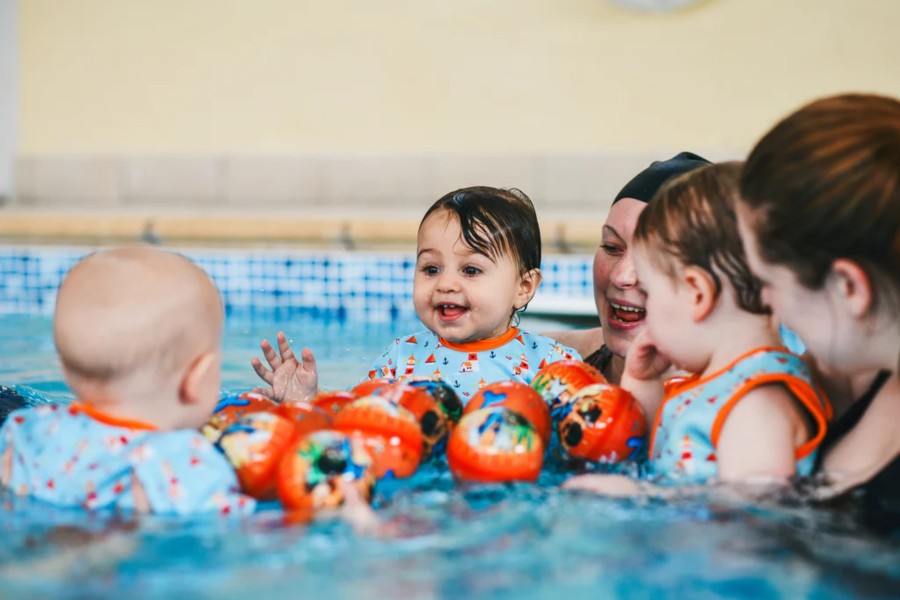
Activity/Toy Tips: From climbing and bouncing to rolling and balancing, Toddler Sense classes are great for developing gross motor skills in a fun and social environment. Water Babies swimming lessons help little ones feel safe and happy in the pool, while toys like their Water Babies Swim Balls can turn swim time into a playful learning adventure.
5. Dance and Move to Music
Dancing, action songs, and movement games develop rhythm, timing, and coordination – and are a great way to get moving.
Toy Tip: Music players with action songs, dancing games, or toys with built-in music can inspire free movement and imaginative play.
6. Roll, Throw, Catch and Kick
Ball games and beanbag activities build hand-eye coordination, timing, and whole-body movement.
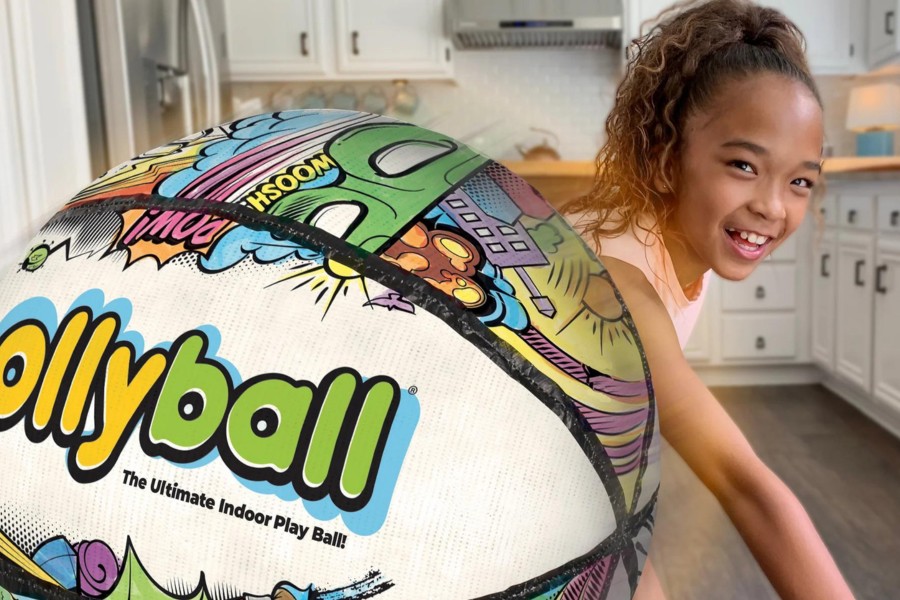
Toy Tip: Look for balls of different sizes and textures from Early Learning Centre Soft Sensory Balls to Ollyball for indoor and outdoor fun.
How Do I Know If My Child Is on Track?
Gross motor development varies from child to child, but some signs your child is building strong gross motor skills include:
- Running, climbing, and jumping with growing confidence
- Balancing briefly on one foot
- Throwing, catching, or kicking a ball with control
- Moving safely through busy spaces without bumping into things
- Being able to sit upright for a period without slumping
If your child avoids active play or struggles with coordination, it may be worth speaking to your health visitor, GP, or early years professional for guidance. Early support can be helpful and reassuring.
Final Thoughts for Parents
Gross motor skills are more than just physical abilities – they support your child’s confidence, focus, social development, and readiness to learn. Whether it’s joining in with a game of tag, sitting tall at story time, or tackling a climbing frame, strong movement skills give children the freedom to explore, play, and thrive.
And the good news? You don’t need a gym or formal sports to support these skills. Just make room for regular movement, provide space to run, jump, and dance, and offer toys that encourage active, whole-body play.
