


Helping Children Get Ready to Eat and Drink Independently at School
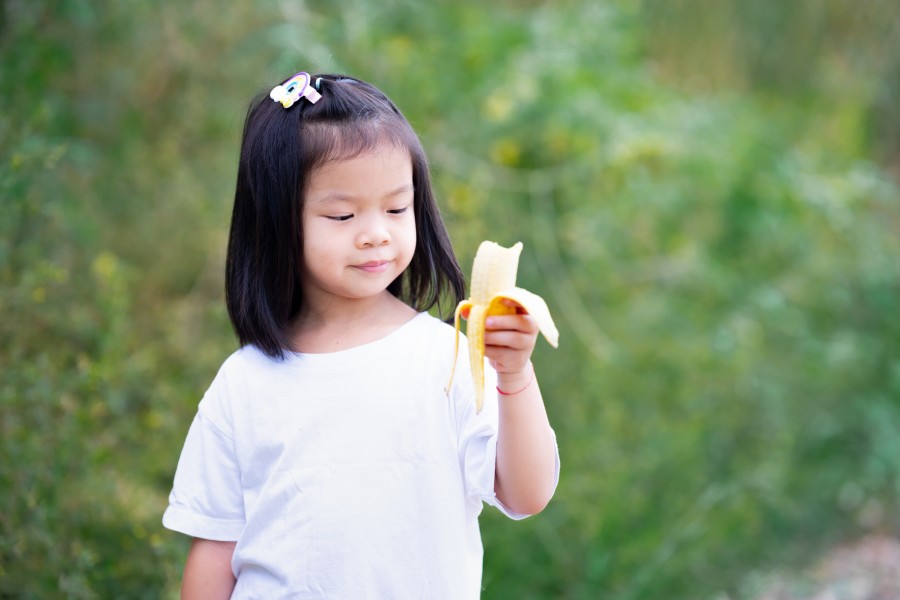
Starting school brings lots of exciting changes for children, but for many, lunchtime can be one of the trickiest parts of the day to navigate independently. From opening their lunchbox to peeling a banana, these small tasks are actually big milestones when you’re four!
Being able to manage their food and drink confidently not only helps children feel more secure, but also gives them more time to relax and enjoy lunch with their friends. Fortunately, there are lots of simple, playful ways parents can help children build these skills in everyday life.
Why These Skills Matter
When children start school, staff are usually on hand to help, but with many little ones to support, children are often expected to be fairly independent. That means being able to:
- Open and close their lunchbox or snack pot
- Peel fruit or unwrap packaging
- Open drinks bottles or straws
- Use cutlery or feed themselves confidently
- Sit and eat calmly for a short time
- Recognise when they’re full or thirsty
These skills rely not just on fine motor ability, but also on confidence, self-awareness and routine.
Easy Ways to Practise at Home
Picnic practice
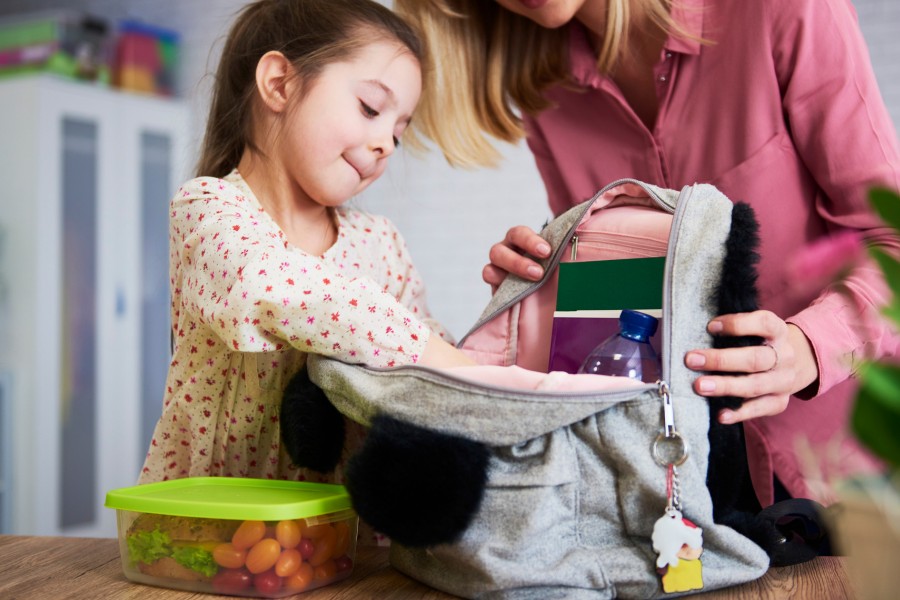
Try having a picnic at home or in the park with lunchbox-style foods. Let your child practise opening their own containers, unwrapping sandwiches, or peeling fruit. Use the lunchbox they’ll take to school to make it realistic.
Snack station independence
Set up a snack drawer or box in the fridge with simple, healthy snacks your child can help themselves to. This supports decision-making and helps them practise opening packaging or resealing containers.
Cutlery confidence
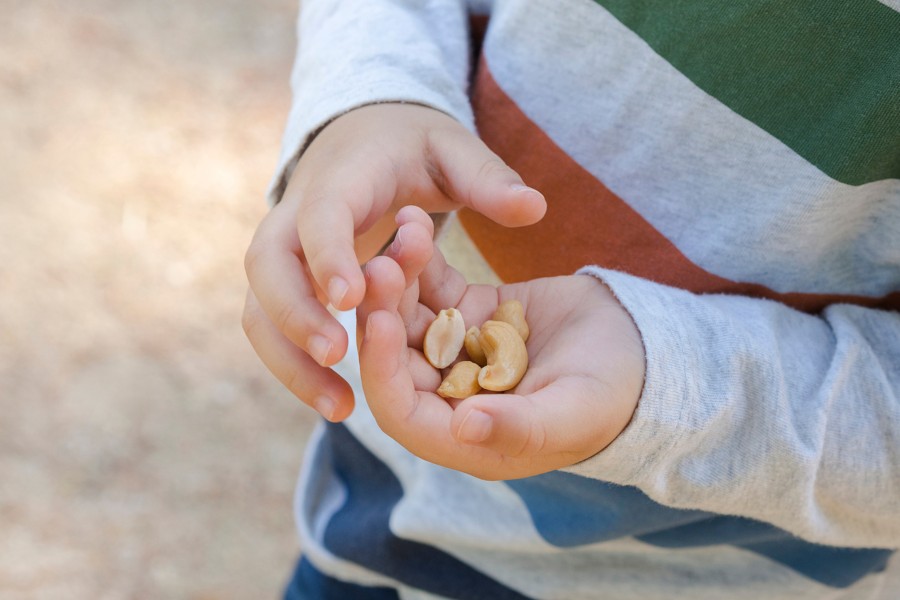
Give your child regular opportunities to practise using a fork, spoon and child-safe knife at home. Start with easy to cut foods like bananas or soft sandwiches. You could even let them ‘chop’ playdough to build strength and coordination in their hands. The more familiar cutlery feels, the more confident they’ll be at lunchtime.
Let them help at mealtimes
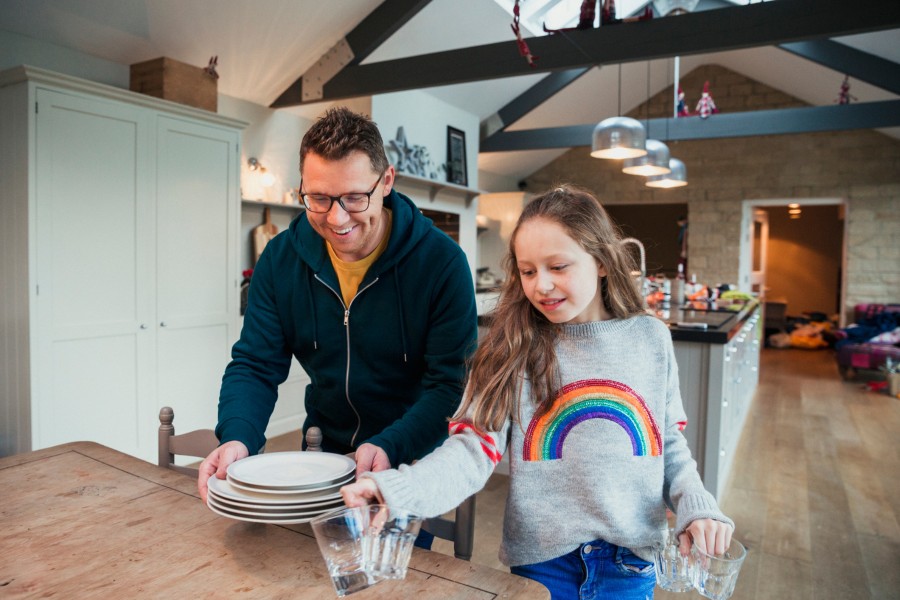
Involve your child in setting the table, spreading butter on toast, or pouring their own drink. These everyday jobs build both skill and confidence.
Talk about hunger and thirst
Help children tune into their bodies. Ask, “Is your tummy full or do you need more?” or “Would you like a drink?” so they learn to recognise their needs and ask for help if needed.
Pack realistic foods
Choose lunch items your child is already familiar with and can manage themselves. Test out tricky items at home first (e.g. yoghurt pouches, banana skins, wrapped cheese portions) so there are no surprises on the day.
Toy and Equipment Suggestions
Pretend play food and picnics
Role play with toy food sets like Early Learning Centre Tea Set or Leapfrog Shapes & Sharing Picnic Basket help children explore routines and build confidence through imitation and storytelling.
Toys to build fine motor skills
Threading beads, lacing cards, sticker books, or toys like Dressing Skills Bean Bags with clasps and fasteners all help strengthen the hand muscles children need to open packaging and use cutlery.
Child-friendly lunch gear
Look for lunchboxes, snack pots and water bottles designed with young children in mind – easy to open, with handles or flip lids and minimal tricky packaging.
Final Thoughts for Parents
Lunchtimes at school are more enjoyable for children when they feel confident managing their food and drink. By giving them opportunities to practise at home, offering gentle support, and choosing age-appropriate containers and foods, you’ll help them feel more capable and relaxed.
Like all school readiness skills, independence with eating and drinking takes time, practice and encouragement, but with the right approach, your little one will soon be lunch-ready and full of confidence.
