



What Does “Good Play” Really Mean? A Parent’s Guide to Starting the Year Well
January is often a time when parents feel under pressure to do better for their children, whether that’s more learning, fewer screens, better routines, the “right” toys.
But when it comes to children’s development, improvement doesn’t come from doing more. It comes from doing what matters.
That’s where good play comes in.
What do we mean by good play?

Good play is not about noise levels, neatness or how impressive a toy looks on the shelf. It’s not about pushing children to learn faster, earlier or harder. And it’s certainly not about filling every moment with structured activities.
Good play is play that genuinely supports a child’s development, wellbeing and enjoyment, in ways that are appropriate for that child, at that stage.
At its best, good play:
- Gives children a sense of agency and choice
- Supports emotional regulation and confidence
- Encourages curiosity, creativity and problem solving
- Allows children to practise social skills at their own pace
- Adapts as children grow and change
Importantly, what counts as good play will look different for different children.
What good play isn’t
There are a few persistent myths that can make play feel more complicated than it needs to be:
- Educational doesn’t automatically mean beneficial
Toys that promise early academic gains often prioritise adult expectations over children’s natural learning processes. - More toys doesn’t mean better play
Too many options can overwhelm children and reduce the depth and quality of their play. - Quiet play isn’t always better play
Some children need movement, noise and physical challenge to help them regulate and feel settled. - Screens aren’t the enemy, but they aren’t neutral either
Digital play can be positive when it’s well designed, age appropriate and balanced with other forms of play.
Why play matters for children’s wellbeing
Play is how children make sense of the world. Through play, they rehearse emotions, test ideas, take safe risks and develop resilience. It is one of the most powerful tools children have for managing stress and uncertainty; something that feels particularly relevant at the start of a new year.
Children who have access to a rich mix of play experiences are more likely to:
- Cope with change and frustration
- Develop flexible thinking
- Build positive relationships
- Feel confident in their abilities
This is why play should never be seen as an optional extra or a reward once “real learning” is done; Play is the learning.
How the Good Play Guide helps parents make confident choices
With thousands of toys, games and digital products on the market, it’s no surprise that parents feel overwhelmed. Marketing claims are often loud, persuasive, poorly regulated and not always backed by evidence.
The Good Play Guide exists to cut through that noise.
Every product reviewed by the Good Play Guide is tested by children and assessed independently against clear criteria, including:
- Age appropriateness
- Developmental value
- Inclusivity and accessibility
- Ease of use and longevity
- The quality of play it actually enables
Rather than telling parents what they should buy, the Good Play Guide helps families make informed, confident choices that fit their child, their values and their circumstances.
A gentle reset for the year ahead
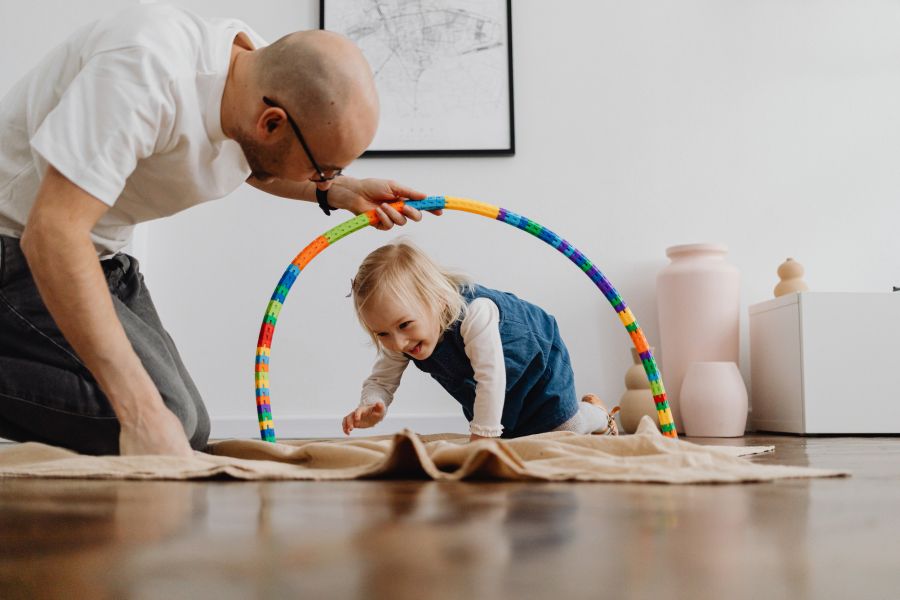
January doesn’t need to be about doing everything differently. Sometimes it’s simply about pausing, reflecting and easing a little of the pressure we place on ourselves as parents.
Ask yourself:
- Does my child have time to play freely?
- Are their toys supporting their interests, or mine?
- Is play bringing joy, connection and calm to our home?
Good play isn’t about perfection. It’s about balance, intention and understanding what children really need.
To explore independently reviewed play ideas, tailored by age and stage, check out our Reviews.