


Building Listening and Attention Skills: A Key to Classroom Confidence
The ability to listen and pay attention is vital for learning, following instructions, building friendships, and staying focused in a busy classroom environment.
While some children naturally find it easier to concentrate than others, listening and attention skills can be strengthened with practice and lots of fun, engaging activities before they get into a classroom setting.
What Are Listening and Attention Skills?
Listening and attention skills refer to how well a child can focus on sounds or instructions, filter out distractions, and respond appropriately. This includes:
- Focusing on a story, task, or person speaking
- Waiting their turn in conversation
- Following instructions or multi-step directions
- Noticing important sounds (like their name being called)
- Shifting focus from one thing to another when needed

Why It Matters for School Readiness
Listening and attention form the foundation for almost every classroom activity. Children who have developed these skills are more likely to:
- Understand and follow classroom routines
- Join in group learning activities
- Respond to verbal instructions
- Engage with books, songs, and stories
- Stay focused long enough to complete tasks
Without strong attention and listening, even the most enthusiastic learners may miss key information or struggle to keep up.
Here are some fun, low-pressure ways to help your child strengthen their listening and attention skills – alongside toy suggestions that can reinforce these abilities through play.
1. Play Listening Games
Games like ‘Simon Says’ or ‘Musical Statues’ are brilliant for encouraging children to listen carefully and follow directions.
Toy Tip: Look for toys that involve listening and reacting like Peppa’s Laugh & Learn Laptop, or sets that encourage conversations like Campfire Chatmallows™ Storytelling Set.
2. Read Together with Focus
Choose short, engaging books and read together in a quiet environment. Ask questions like:
- “What do you think will happen next?”
- “Why do you think they did that?”
This encourages active listening and attention to detail.
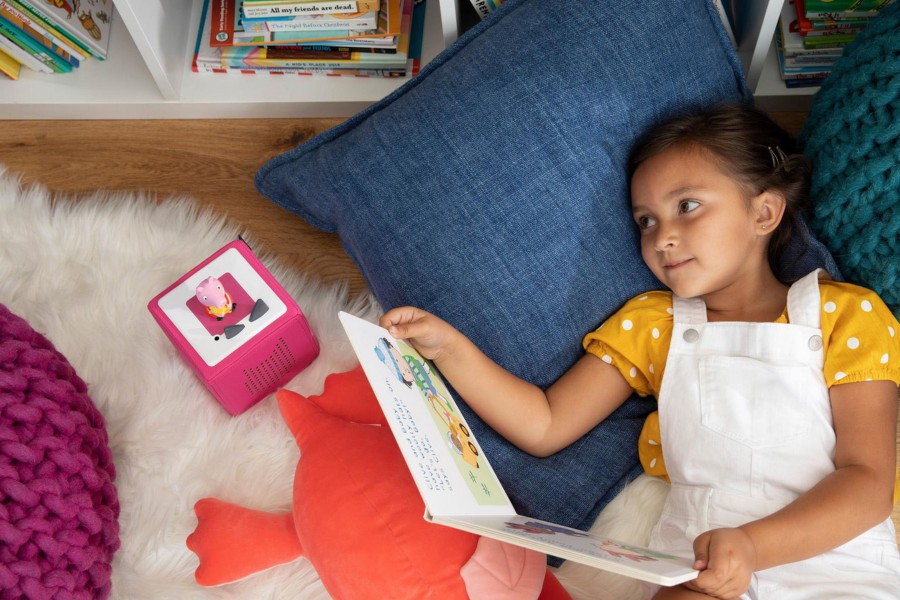
Toy Tip: The Toniebox is a great screen-free option for listening to stories and songs. Children can independently choose characters, follow along with audio, and build focus while enjoying stories at their own pace.
3. Join a Class
Taking children to structured classes gives them the chance to build listening and attention skills in a supportive and engaging environment. Sessions provided by Reading Fairy are designed by early years experts to capture children’s interest while encouraging them to listen, follow instructions, take turns, and join in group activities. A great foundation for school readiness!
Mini Professors classes introduce young children to science through fun, hands-on experiments and exciting discoveries. Each session is designed to grasp children’s attention, encouraging them to listen closely, follow simple instructions, and stay engaged as part of a group – helpful skills for school.
4. Encourage Turn Taking and Group Play
Turn-taking games help children practice waiting, listening, and responding appropriately – great foundations for classroom participation.
Toy Tip: Fun games like Old Macdonald Lotto and Smelly Wellies are perfect for reinforcing turn-taking and focusing attention.
5. Use Music and Movement
Songs with actions like ‘Heads, Shoulders, Knees and Toes’ and ‘The Hokey Cokey’ boost focus and also get children moving.
Toy Tip: Audio books with prompts encourage children to listen carefully and respond to instructions, helping to develop attention and listening skills.
6. Try Apps
Interactive apps designed for early learners can be a great way to build listening skills in short, focused bursts. Look for ones that encourage children to follow verbal instructions, identify sounds, or respond to cues – without overwhelming visuals or distractions.
ABC Pocket Phonics teaches children phonics sounds, first words, and promotes listening skills.
How Do I Know if My Child Is on Track?
All children develop at their own pace, but signs of strong listening and attention skills might include:
- Responding when their name is called
- Focusing on a story or task for 5-10 minutes
- Following simple instructions without getting distracted
- Taking turns and waiting during games or activities
If your child struggles to sit still or stay focused, don’t worry. These are skills that can be gently developed over time. Keep activities short, engaging, and fun, and try again later if they lose interest.
If you have concerns about your child’s attention or hearing, speak to your health visitor, GP, or early years provider. It’s always okay to ask for support.

Final Thoughts for Parents
Listening and attention may not sound as exciting as learning to read or count, but they’re absolutely essential for school success. Luckily, all your child needs to develop these skills is time, connection, and playful learning. Whether it’s a game of ‘I Spy’, a bedtime story, or a round of musical statues, every activity helps your child learn to tune in, focus, and respond with confidence.
