


It’s Never Too Late to Build the Basics (Ages 5+)
By the time children reach school age, it’s easy to assume they should have mastered certain skills like writing their name or sitting still during story time. But every child is different, and not all develop at the same pace.
If your child is still working on some of these skills at age 5 or beyond, they’re not alone and it’s not too late. With playful support and gentle encouragement, children can continue building strong foundations that will help them thrive.
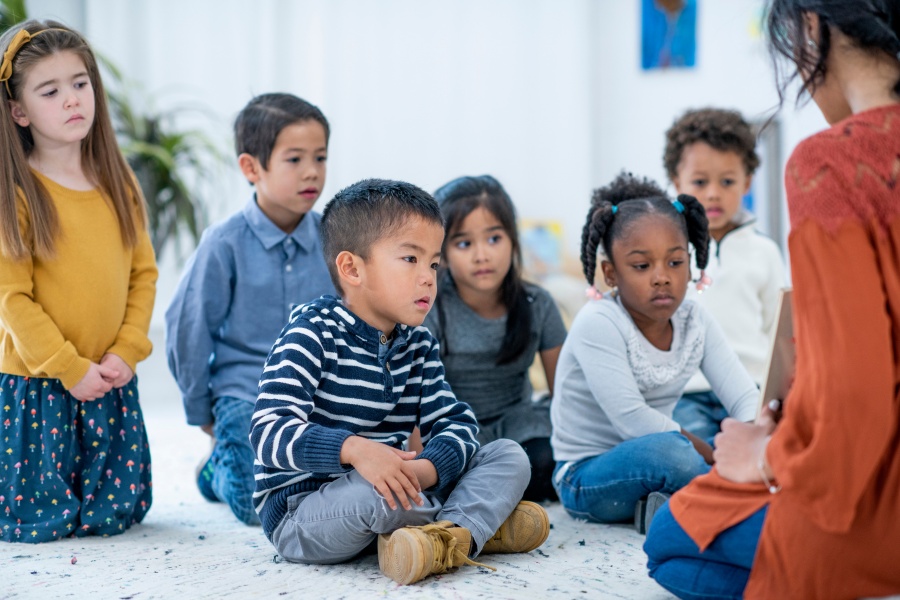
Every Child Grows in Their Own Time
There are many reasons a child may be developing certain skills more gradually than others. They might be younger than some of their peers, have missed key experiences, or simply be learning in a different way. Some children may need extra support with language, coordination, attention, or confidence – and that’s perfectly okay. What matters most is recognising where your child is now and giving them the space, support, and encouragement they need to keep moving forward.
Many of the key building blocks of early development continue to grow well beyond the age of five. If your child is still developing in any of these areas, play-based learning can be one of the most effective (and enjoyable) ways to help.
Here’s how to support children who may need a little extra time or help, and why playful learning is still so powerful at this age, and beyond!
Early Literacy & Numeracy
Some children need more time to feel confident with letters, numbers, or early reading skills. Rather than rushing into formal learning, keep things fun, active, and hands-on.
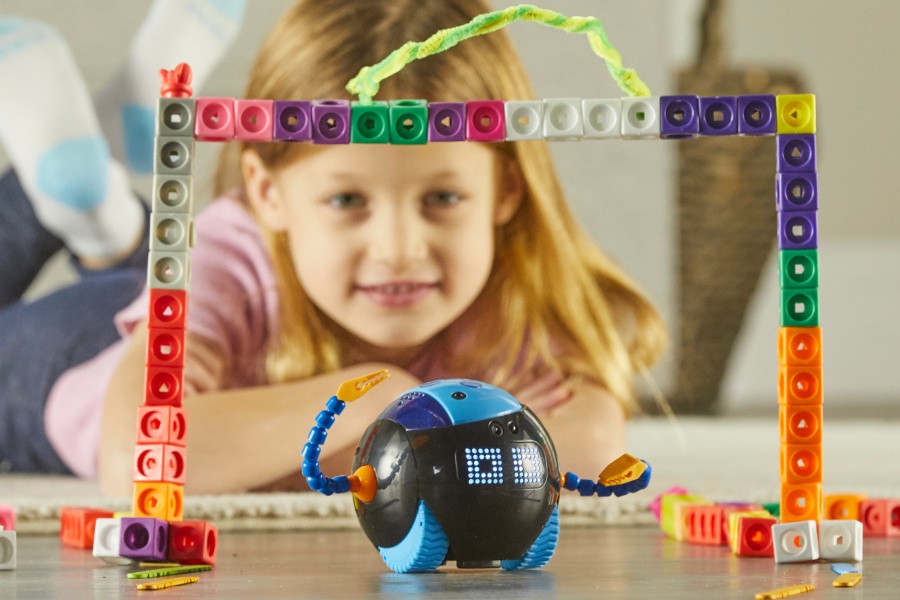
Toy Tip: Learning Resources’ Cooper the STEM Robot is a great tool for helping children explore early coding, counting, and problem-solving through simple, screen-free challenges. Children can give the robot directions, put steps in order, and watch their ideas come to life, building confidence in numbers, problem-solving, and language as they play.
Communication & Language
Whether your child is still developing their vocabulary, struggling to express themselves clearly, or just learning to follow more complex instructions, conversations and storytelling are great ways to build confidence.
Toy Tip: Books with interesting stories and information like My First Heroes, are more likely to engage children and get them talking, asking questions, and using new words. While fun games like SquiggleHop are really helpful for encouraging children to express themselves and develop their communication skills.
Social Skills
If your child finds social situations tricky – like turn taking, sharing, or joining in with group play – simple games and role play can help them practice these skills in a safe, unpressured way.
Toy Tip: Games like Wallaby at the Window help children practice turn taking and cooperative play, while sets like Emotions Coin Drop support emotional understanding and encourage children to talk about their feelings.
Fine Motor Skills
Some children are still developing the hand strength and coordination needed for writing, drawing, and self-care tasks like fastening clothes. Everyday play can help improve dexterity and confidence.
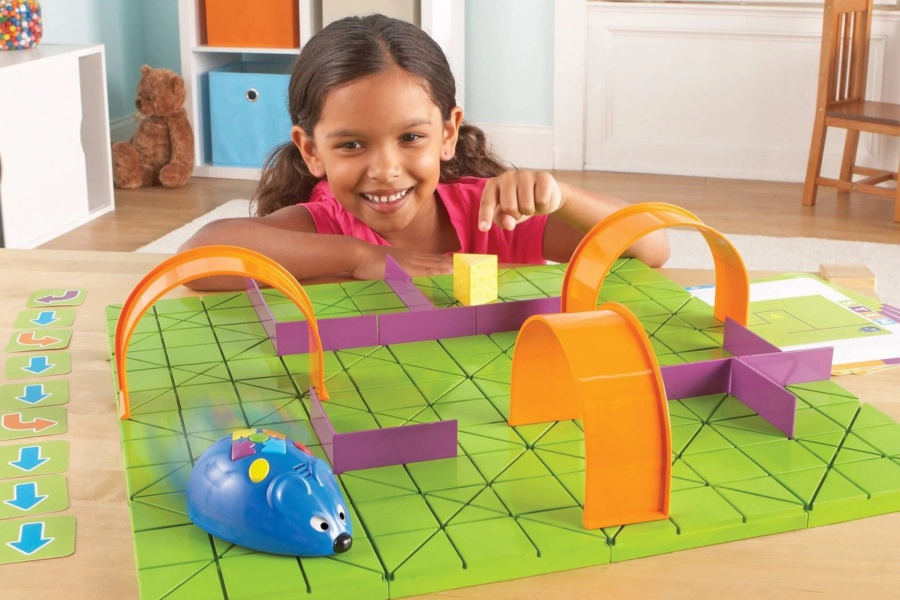
Toy Tip: Threading beads, creating with playdough, and playing with sets that include lots of different small parts like Code & Go® Robot Mouse Activity Set, are all fun ways to support fine motor control.
Self Care & Independence
At 5+, many children are still learning how to manage their belongings, get dressed independently, or follow multi-step routines. Practising these skills through play and everyday life helps build self-confidence.
Try This: Set up play scenarios like getting ready for school, packing a bag, or making a snack using roleplay items. Use checklists or pictures to help children feel in control of their routines.

Gross Motor & Attention Skills
If your child finds it hard to sit still, focus, or manage big movements, they may benefit from activities that combine physical movement with listening and control.
Try This: Play action games like ‘Simon Says’ or ‘Musical Statues’, create a home obstacle course, or use balancing and stretching activities to improve body awareness and attention.
Emotional Regulation & Confidence
Children who feel unsure of themselves or frustrated by challenges may need support to build resilience and emotional understanding. Learning how to name and manage emotions is just as important as learning letters and numbers.
Toy Tip: Read books about feelings like Little Big Feelings and play games like All About Emotions. Give lots of praise for effort and celebrate progress in all its forms. Help children understand and express their feelings with dolls such as Heartfuls with their accessories to support children’s emotional development.
Final Thoughts for Parents
Every child learns and grows in their own time. If your child is still developing skills that others may seem to have mastered, it doesn’t mean they’ve missed their chance, it just means they’re on their own unique path.
The early primary years are still full of opportunities for growth. With your support and lots of playful, low-pressure learning, your child can absolutely build the confidence and skills they need to thrive.
