


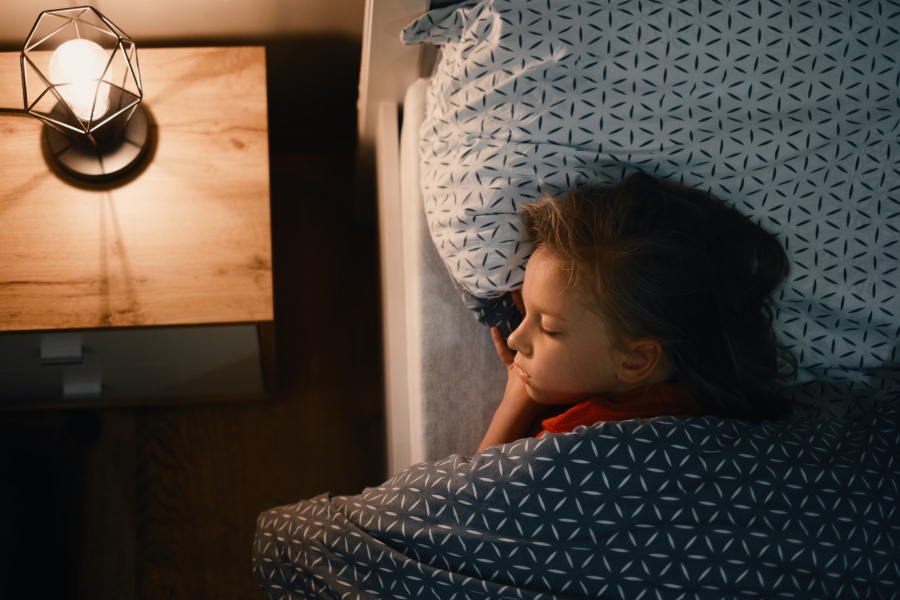
How to Help Your Child Develop Healthy and Consistent Sleep Habits
A good night’s sleep is so important for children (and adults). It supports physical growth, emotional wellbeing, concentration and memory. Yet NHS sleep studies show that around 40% of children in the UK are not getting enough sleep, which can have a noticeable impact on their mood, attention span and ability to learn. The good news is that with a few simple routines and habits, parents can help children settle more easily and sleep more soundly.

Why Sleep Matters for Children
Sleep plays a crucial role in children’s daily functioning. When children are tired, it’s much harder for them to manage emotions, stay focused or meet the challenges of the day. You might notice your child becoming more irritable, clingy, overactive or tearful when they’re lacking rest.
Longer term, consistent sleep helps with:
- emotional regulation
- strengthening memory
- immune system support
- physical growth and repair
- overall learning and concentration
Create a Consistent Bedtime Routine

A structured routine is one of the most effective tools for building healthy sleep habits. Children feel safe when they know what to expect, and predictable cues help their bodies recognise that bedtime is approaching. Repeating the same routine at roughly the same time each night helps children learn to anticipate bedtime rather than resist it.
A simple, calming routine might include:
- Tidying toys together – signals the end of busy activities.
- A warm bubble bath – helps relax muscles and gently lowers body temperature, which prepares the brain for sleep.
- Cuddling up with a bedtime story – soothing, screen-free bonding time that shifts the mind into rest mode.
- Soft lullabies or quiet chatting – low-energy interactions that help with winding down.
- Lights dimmed and favourite comfort item – such as a soft toy or a cosy blanket.
Limit Screen Time Before Bed
Screens are one of the biggest barriers to healthy sleep. The blue light from tablets, TVs and phones suppresses melatonin, the hormone that tells our bodies it’s time to sleep. If your child is used to screens before bed, making changes gradually can help.
To support better sleep:
- avoid screens in the bedroom altogether
- stop screen use at least two hours before bedtime
- use alternatives like reading, drawing, puzzles or calm play
Practise Good Sleep Hygiene
- Keep bedrooms calm and cosy
A dark, cool and quiet room helps children sleep more easily. You might add soft lighting, use curtains that block out streetlights, or introduce gentle white noise if your child is easily disturbed.
Plush soft toys are the most common nighttime companion for children, and research shows they’re helpful for adults too! Soft toys provide reassurance and familiarity, particularly for children who struggle with separation at bedtime.
- Avoid late eating
Try to keep evening meals earlier when possible. Eating too close to bedtime can make it harder for children to fall asleep. Definitely avoid sugary snacks around this time too, as they can give children a burst of energy and delay sleep even further.
Encourage Physical Activity During the Day
Children tend to sleep better when they have been active. Physical play burns energy, boosts mood and helps regulate the body’s natural sleep-wake cycle. Regular movement helps children feel physically ready for sleep and also reduces the restlessness that often appears at bedtime.
Encourage:
- outdoor play
- cycling or scooting
- running, climbing or balancing
- dancing and active games
- family walks
Relaxation Before Bed

Some children find it difficult to switch off mentally. Gentle relaxation techniques can help calm their bodies and minds, reinforcing the message that bedtime is a peaceful, positive time.
Here are a few simple approaches:
- Deep breathing together – try smelling a pretend flower and blowing out a pretend candle.
- Progressive muscle relaxation – ask them to “squeeze lemons” (tighten fists) and then “drop them” (release).
- Visualisation – imagine floating on a cloud, or lying on warm sand at the beach.
- Calming sensory play – soft textures, dim lighting or a gentle massage can help young children unwind.
Consistency and Calm
Even with the best routines, children may experience phases of waking in the night, resisting bedtime or struggling to fall asleep. Growth spurts, school transitions and changes at home can all affect sleep. The key is consistency: keeping routines predictable, staying patient and offering reassurance without turning bedtime into a long drawn-out process.
Developing healthy sleep habits doesn’t require strict rules or perfection. It’s about creating an environment and rhythm that supports calm, comfort and predictability.
Over time, these routines become second nature, supporting better mood, concentration and overall health.