


Helping Children Build Emotional Regulation: A Key Step in School Readiness
Starting school is a big and exciting step, but for many children, it can also feel like an emotional rollercoaster. With new people, unfamiliar routines, and unexpected changes, it’s no surprise that some little ones feel overwhelmed. That’s why helping your child develop emotional regulation is such an important part of preparing them for school.
Children who can recognise and manage their feelings are more likely to settle into the classroom calmly, enjoy learning, build friendships, and handle challenges with greater confidence. The good news? Emotional regulation can be nurtured and supported through simple, everyday routines, loving conversations, and lots of play!
What Is Emotional Regulation?
Emotional regulation is the ability to understand and manage strong feelings like frustration, excitement, anxiety, or sadness. It’s not about stopping emotions altogether – feelings are normal and healthy, but about learning to respond to them helpfully.
Young children who develop emotional regulation can:
- Cope better with separation from parents or carers
- Express feelings using words instead of outbursts
- Calm themselves when upset
- Ask for help when things are too hard
- Try again after a mistake or disappointment
Why It Matters for School Readiness
When children have strategies to manage big feelings, they’re better able to:
- Settle into new environments and routines
- Navigate social situations and play cooperatively
- Focus on tasks and follow instructions
- Cope with transitions or changes in routine
- Build confidence and resilience over time
A child who feels emotionally safe and supported is more ready to learn and more likely to enjoy school from the very beginning.
Simple Ways to Support Emotional Regulation at Home
Helping your child build emotional regulation doesn’t require fancy techniques. Everyday moments offer opportunities to build awareness, practice calming strategies, and strengthen emotional skills:
1. Name and Talk About Emotions
Use simple language to label your child’s feelings and your own. This helps children learn that emotions are a normal part of life and gives them the words to express how they feel.
Try saying:
“I can see you’re feeling angry because your toy broke. That’s frustrating.”
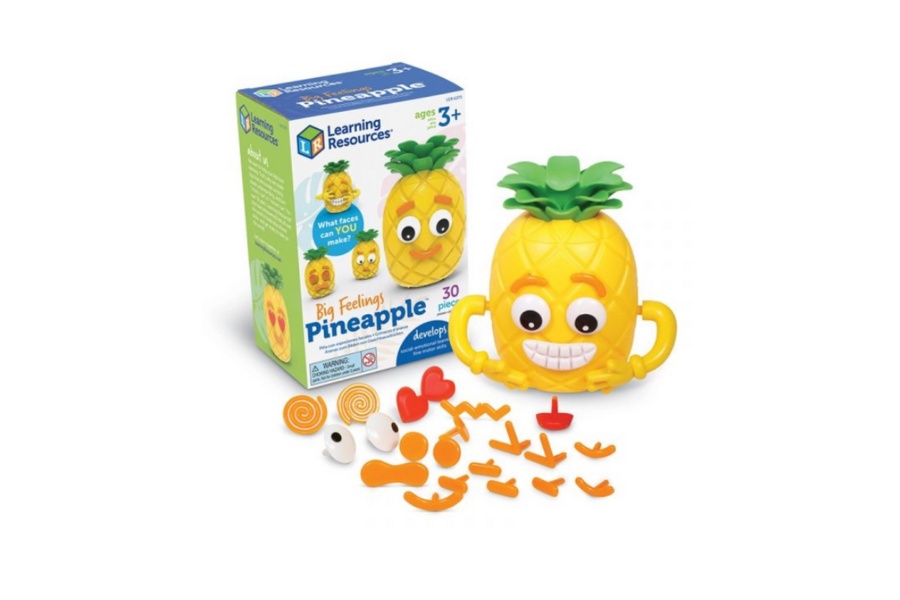
Toy Tip: Toys like Big Feelings Pineapple™ with expressive faces help children identify and discuss feelings in a playful, safe way.
2. Practice Calming Strategies
Show your child how to manage emotions when they run high. This could include:
- Taking deep breaths
- Counting to five
- Hugging a favourite soft toy
- Using a quiet space to calm down
Toy Tip: Toys designed specifically to promote self-regulation and help children develop emotionally, such as Bloomie, My Moody Monster, and Mood Bears, can provide children with a hands-on way to practice emotional regulation techniques.
Toy Tip #2: The Adventures of Monkey™ range – including Monkey Plush, Activity & Affirmation Book, and ‘I Am’ Affirmation Deck offers a playful and reassuring way for children to practise calming strategies and boost self-esteem through positive self-talk and mindfulness.

3. Encourage Problem-Solving and Resilience
Instead of jumping in to fix every problem, ask your child:
“What could you do next time?” or “What might help you feel better?”
This builds confidence and helps them feel capable of managing emotions constructively.
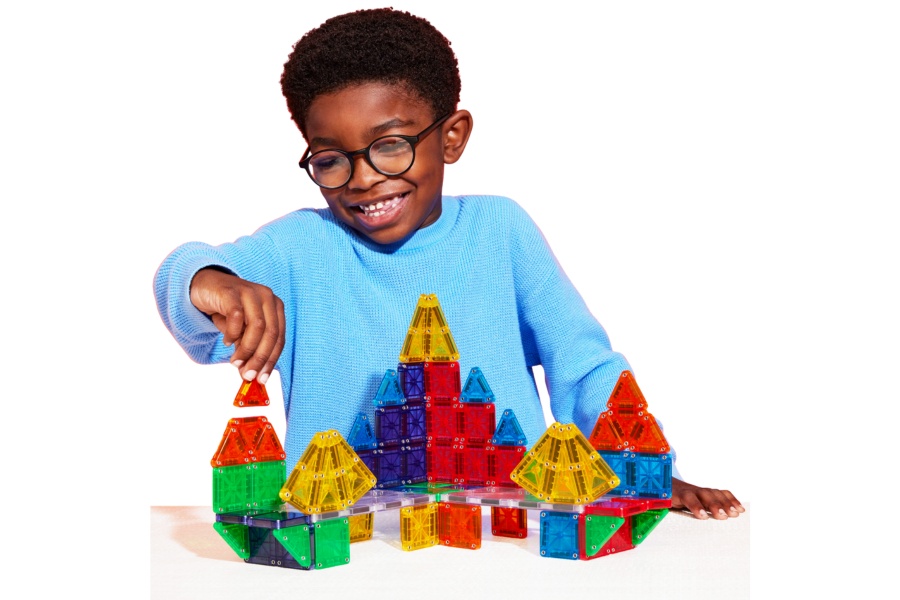
Toy Tip: The Magna-Tiles sets like the Magna-Tiles Micro Mags 70-Piece Deluxe Set are perfect for encouraging trial and error. Children can experiment with building, face collapses, and try again – developing perseverance, creativity, and problem-solving skills in a fun, hands-on way.
4. Join a Class That Builds Emotional Expression
Structured classes that focus on communication, like those offered by The Signing Company, can play a big role in helping children express themselves before they’re confident using words. Signing gives children a way to communicate how they feel, reducing frustration and building emotional connection from an early age.
5. Express Emotions Through Art
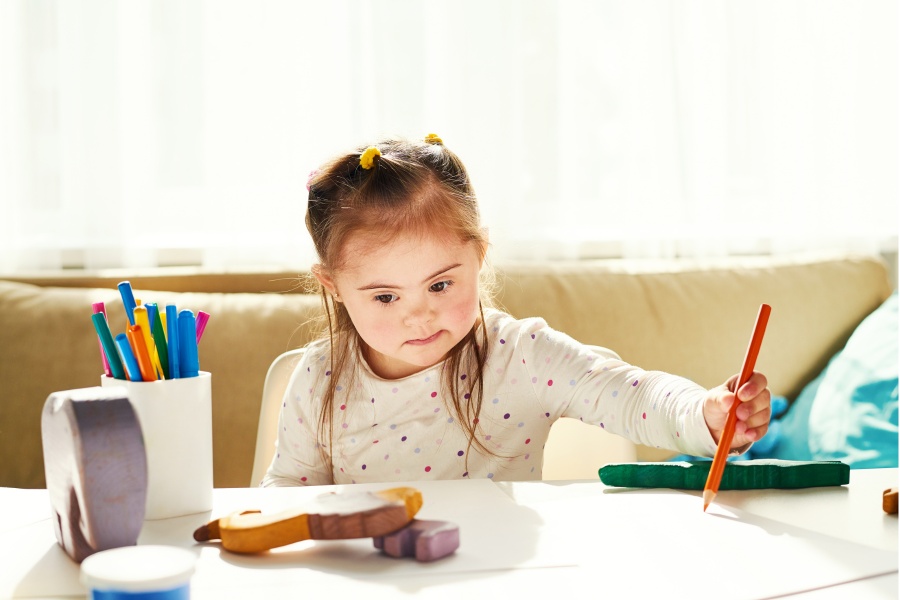
Art is a powerful emotional outlet. Free expression can help children manage their emotions and build self-awareness; skills that are vital for adjusting to new environments like school.
Toy/Activity Tips: The creative Crayola Create and Play app and hands-on art supplies like paints and crayons give children the space to explore how they’re feeling in a relaxed and fun way.
6. Create a Safe, Predictable Routine
Predictability helps children feel secure. Regular routines, like bedtime or getting ready in the morning, reduce anxiety and allow children to focus their emotional energy elsewhere.
Toy Tip: Visual schedule boards or reusable sticker charts like Cubo Sticky Schedules give children a clear sense of what’s coming next – and help them feel in control.
7. Use Play to Explore Feelings
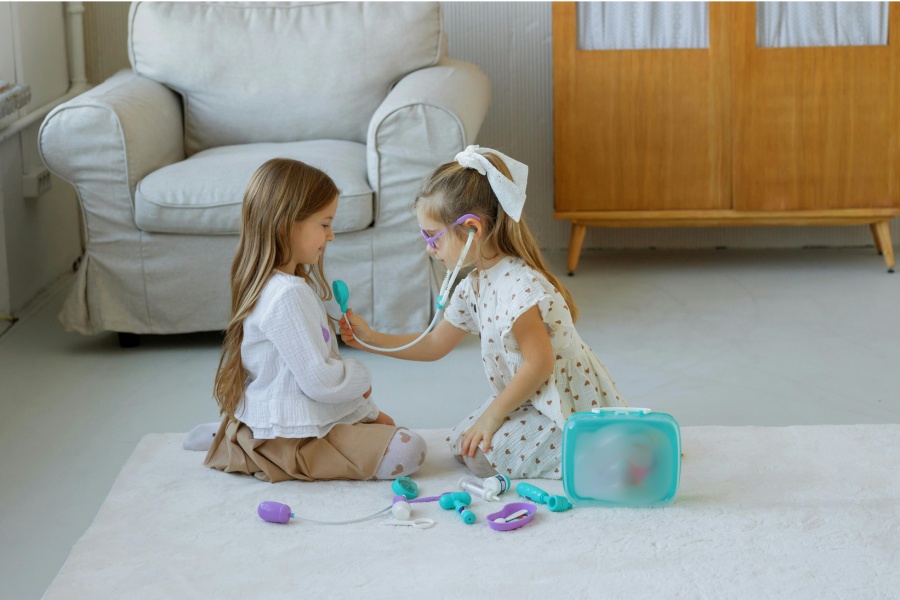
Pretend play lets children process emotions and rehearse social situations. Watch how they role-play interactions and talk through feelings with their toys.
Toy Tip: Pretendables offer a range of playsets – from classroom scenes to doctor visits – giving children opportunities for emotional storytelling and imaginative role play.
8. Read Stories That Show Emotional Growth
Books are powerful tools for emotional learning. Choose stories where characters feel nervous, sad, or angry – and talk with your child about how those characters cope.
Toy Tip: Emotion-themed books like Little Big Feelings help young children recognise and name their emotions, making it easier for them to understand and express how they feel.
Is My Child on Track?
Children develop emotional regulation at different paces, but some signs they’re making progress include:
- Using simple emotion words like “sad” or “angry”
- Taking deep breaths or asking for help when upset
- Starting to wait their turn or share with others
- Calming down with support after a tantrum
- Trying again after making a mistake
If your child has frequent meltdowns or finds it hard to manage emotions, that’s completely normal in early childhood. The key is consistency and compassion; skills like these develop over time.
If you’re concerned, your health visitor, GP, or early childhood educator can provide guidance.
Final Thoughts for Parents
Helping your child learn to recognise and manage their feelings is one of the greatest gifts you can give. Emotional regulation helps children feel confident, connected, and capable; not just at school, but in all areas of life.
So keep talking, listening, playing, and encouraging. With time and support, your child will learn that emotions are something they can handle, and that they’re never alone in learning how.
