


The Power of Friendship: Supporting Children as They Start School
Starting school is a big change, and one of the things that can make it feel less daunting for children is having a friend by their side. Friendships help children feel safe, happy, and more confident in a new environment, and play an important role in supporting their emotional and social development.
Some children find it easy to make friends, while others might take a bit longer or need a little help. The good news is, there are lots of simple ways parents and carers can support children to build early friendships – through everyday play, social experiences, and encouragement at home.
What Do Children Learn From Friendships?
Making friends isn’t just fun, it helps children build important skills they’ll use every day at school. Through play with others, they learn to:
- Talk, listen, and take turns
- Show empathy and understand feelings
- Share, cooperate, and solve small disagreements
- Feel confident and included
- Learn social rules like kindness, patience, and saying sorry
Why It Matters for School Readiness
Having friends helps children feel more secure and confident as they settle into school. Friendships can:
- Boost confidence to join in and speak up
- Help children feel safe and supported
- Teach them to notice how others feel and how to be kind
Children who get along well with others often find it easier to follow routines, listen to instructions, and work with classmates.
Ways to Build Friendship Skills and How Toys Can Help
1. Talk About Social Moments as They Happen
Narrate what your child is doing during play to help them understand social behaviour:
“You gave your teddy a turn. That’s so kind!”
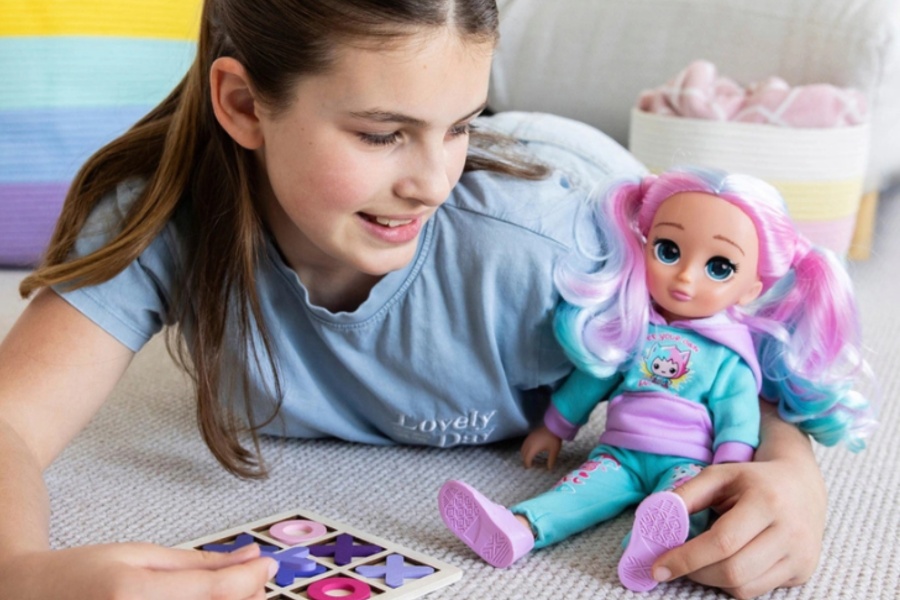
Toy Tip: Dolls, teddies, or play figures are great for acting out social situations like sharing, helping, and taking turns. Heartfuls Dolls come with emotion-themed accessories that help children recognise and express their feelings.
2. Play Games That Involve Teamwork
Choose activities where you work together towards a shared goal:
“Can we finish the puzzle as a team?”
Toy Tip: Games like Shopping List are perfect for practising turn-taking and developing patience.
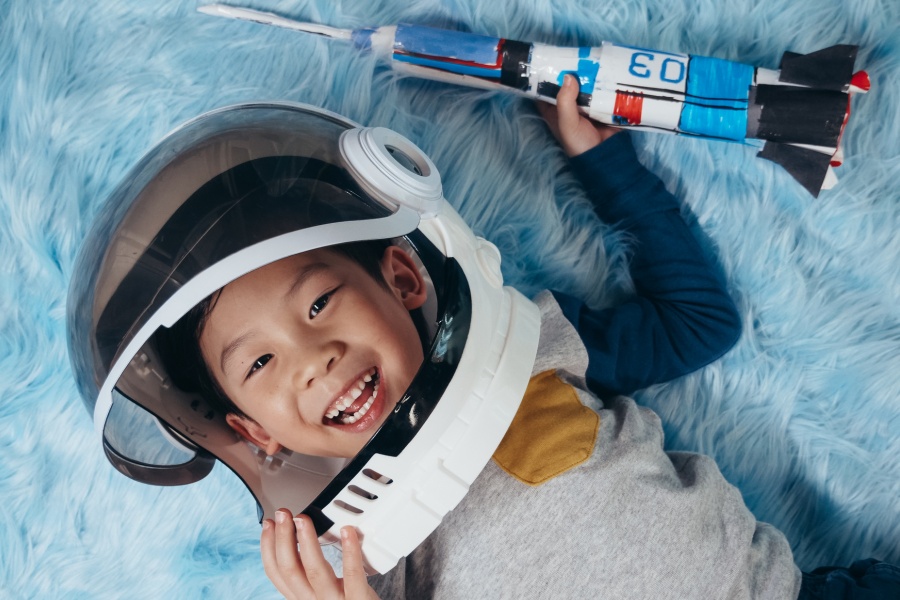
3. Encourage Pretend Play
Role play real-life situations to help children learn how to take on different roles:
“Doctor, can you help me? My teddy has a sore paw.”
Toy Tip: Playsets like Examine & Treat Pet Vet Play Set encourage back-and-forth conversations and empathy.
4. Tell Stories Together
Take turns making up parts of a story to build listening and collaboration:
“Once upon a time, there was a dragon… what happened next?”
Toy Tip: Games like Pennycake SpinSpinShare™ encourage storytelling and communication, helping to develop confidence and the ability to listen to others.
5. Explore Feelings Through Play
Use play to help children talk about emotions – both their own and others’:
“You have a happy face today – what made you feel that way?”
“How do you think Teddy feels when he doesn’t get a turn?”
Toy Tip: Storybooks or toys with expressive faces like Emotional Baggage help children learn to understand and name feelings.
How Do I Know if My Child is on Track?
Every child is different; some love being around others, while some take a little longer to warm up. Signs your child is developing friendship skills include:
- Playing cooperatively with other children
- Offering help or comfort when a friend is upset
- Talking and listening during play
- Trying to sort out disagreements with words
- Asking others to join in
If you’re worried your child finds friendships hard, try encouraging more social play or organise playdates. If you’re still unsure, chat with their childcare setting or health visitor for advice.

Final Thoughts for Parents
Helping your child learn how to make friends gives them a strong start for school and beyond. Simple things like playing together, showing kindness, and guiding them through social situations can make a big difference.
Every child develops at their own pace, so keep encouraging them, be patient, and celebrate the small steps along the way.
